
Medically supervised peptide therapy using BPC-157, TB-500 (TB-4 Frag), and GHK-Cu — offered at Brandon Medical Center in Brandon and Lakeland, Florida.
Peptides are short chains of amino acids — the fundamental building blocks of proteins — that act as biological messengers, directing your body’s cells to perform specific tasks such as repairing damaged tissue, reducing inflammation, and producing collagen. As we age, or after injury or illness, the natural production of key peptides declines and recovery slows. Peptide therapy is a clinically supervised approach to replenishing those signals.
At Brandon Medical Center, we offer three of the most extensively researched therapeutic peptides available: BPC-157, TB-500 (TB-4 Frag), and GHK-Cu. Each works through distinct but complementary mechanisms, and our providers customize protocols based on your individual health goals and history.
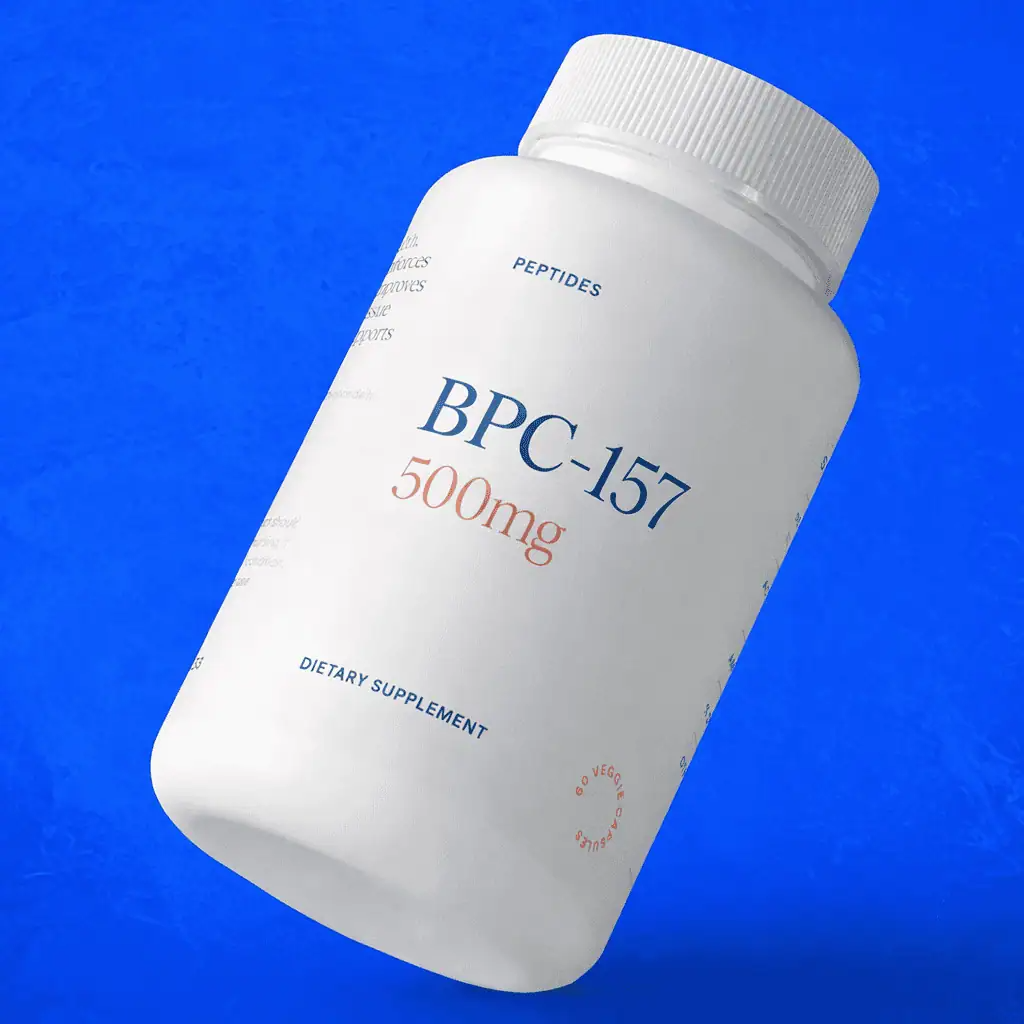
A 2024 systematic review published in the Orthopaedic Journal of Sports Medicine analyzed 36 preclinical studies from 1993 to 2024 and found that BPC-157 consistently enhanced growth hormone receptor expression, promoted angiogenesis (new blood vessel formation), and reduced inflammatory cytokines across muscle, tendon, ligament, and bone injury models. In the review’s one human study, 7 of 12 patients with chronic knee pain reported significant relief lasting more than six months after a single intra-articular injection. [PubMed: pmc.ncbi.nlm.nih.gov/articles/PMC12313605]
A separate PMC narrative review (PMC12446177) noted that a 2021 retrospective study found significant pain relief in 14 of 16 patients (87.5%) who received BPC-157 knee injections. A 2024 pilot study by Lee et al. reported 80–100% resolution of moderate-to-severe interstitial cystitis symptoms at 6 weeks post-treatment with no reported adverse effects. [pmc.ncbi.nlm.nih.gov/articles/PMC12446177]
Additional PMC research (PMC6271067) confirms that BPC-157 enhances growth hormone receptor expression in tendon fibroblasts — a key mechanism behind its ability to accelerate soft tissue recovery. [pmc.ncbi.nlm.nih.gov/articles/PMC6271067]
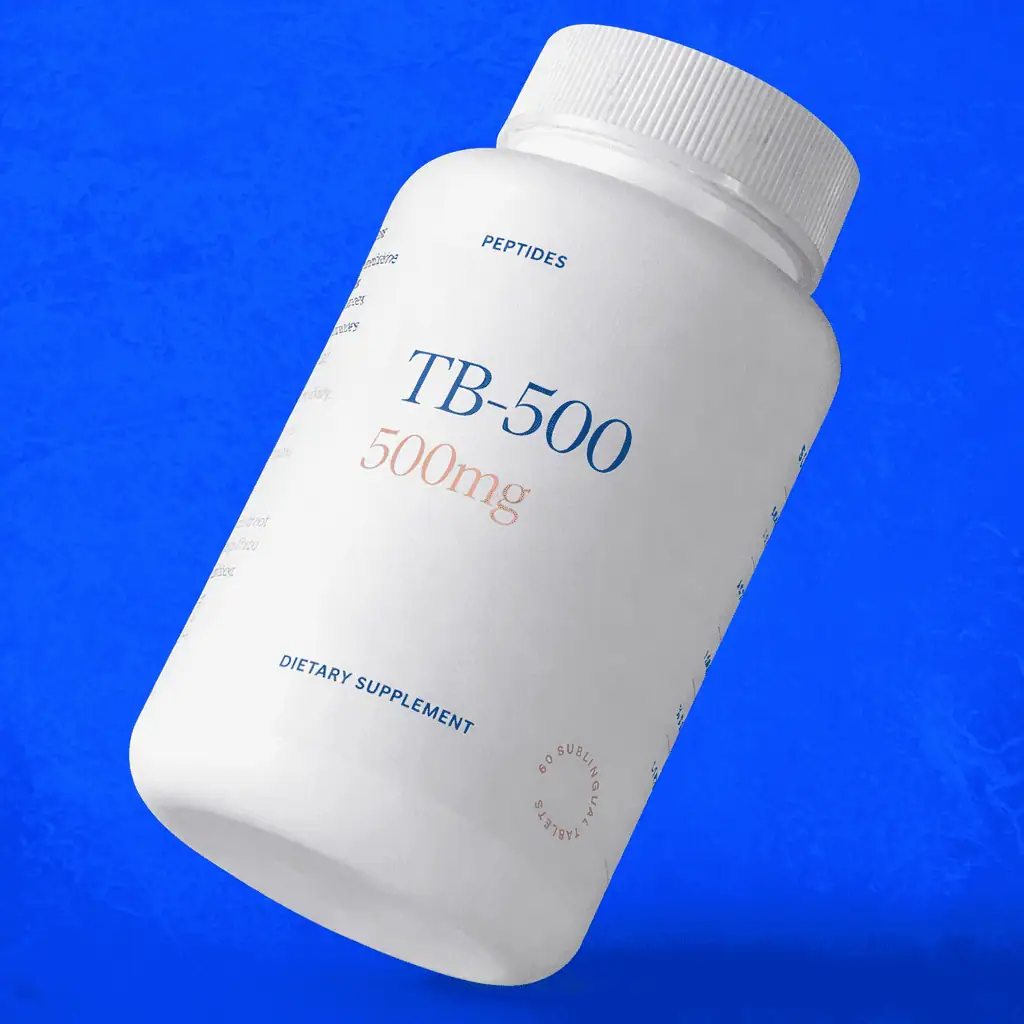
TB-500 is a synthetic peptide derived from Thymosin Beta-4 (Tβ4), a naturally occurring 43-amino-acid protein found in virtually all human and animal tissues, most concentrated in the thymus, spleen, lungs, and heart. Thymosin Beta-4 plays a critical role in actin regulation — the cytoskeletal protein involved in cell shape, migration, and division. TB-4 Frag is a shorter fragment of this sequence that retains all key anti-inflammatory and regenerative properties, with a more concentrated anti-inflammatory effect.
A landmark NIH-indexed study published in the FASEB Journal (PubMed: 10469335) demonstrated that Thymosin Beta-4 increased wound re-epithelialization by up to 61% over saline controls at 7 days, with significantly increased collagen deposition and angiogenesis. [pubmed.ncbi.nlm.nih.gov/10469335]
A comprehensive review by Goldstein et al. in Expert Opinion on Biological Therapy (PubMed: 22074294) described Tβ4 as a multifunctional regenerative peptide with active clinical trial work in dermal wounds and corneal injuries, noting Phase 2 trial results showing it accelerated healing by nearly a month in responding patients with venous stasis and pressure ulcers. [pubmed.ncbi.nlm.nih.gov/22074294]
PMC research (PMC8228050) confirms Tβ4 prevents apoptosis, inhibits inflammatory cytokines, and has been explored as a treatment for sepsis-related organ damage. [pmc.ncbi.nlm.nih.gov/articles/PMC8228050]
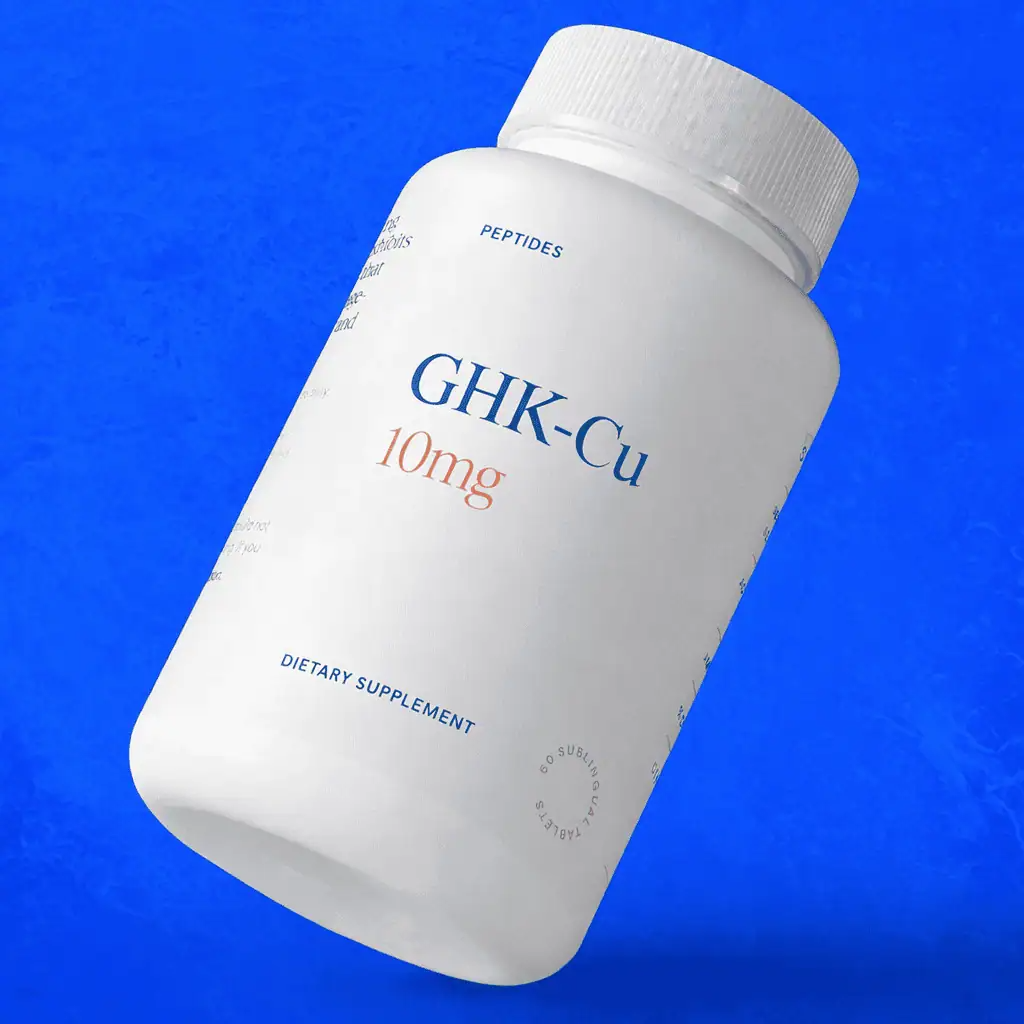
GHK-Cu is a naturally occurring copper-binding tripeptide — composed of glycine, histidine, and lysine — present in human plasma, saliva, and urine. First identified in 1973, it was shown to prompt older liver tissue to behave like younger tissue. Nearly five decades of research have established it as one of the most versatile regenerative compounds in human biology. GHK plasma levels decline significantly with age: from approximately 200 ng/mL at age 20 to around 80 ng/mL by age 60 — a decline that correlates with reduced healing capacity and visible signs of skin aging.
A widely cited PMC review (PMC4508379) summarizes clinical evidence showing that a GHK-Cu facial cream applied for 12 weeks to 71 women with mild-to-advanced photoaging significantly improved skin laxity, density, firmness, and reduced fine lines and wrinkle depth. [pmc.ncbi.nlm.nih.gov/articles/PMC4508379]
A separate PMC study on collagen production (PMC6073405) found that GHK-Cu stimulated collagen production in 70% of treated subjects — outperforming both vitamin C cream (50%) and retinoic acid (40%) in a controlled head-to-head comparison. [pmc.ncbi.nlm.nih.gov/articles/PMC6073405]
NIH-indexed research on GHK’s anti-aging potential (PMC8789089) confirmed that GHK-Cu demonstrates prominent antioxidant and anti-inflammatory properties in both in vitro and in vivo studies, and preliminary evidence suggests it may partially reverse age-related cognitive decline by modulating epigenetic pathways. [pmc.ncbi.nlm.nih.gov/articles/PMC8789089]
Gene expression research (PMC3359723) shows that GHK-Cu influences over 4,000 human genes, including those governing tissue remodeling, anti-inflammatory response, nerve outgrowth, and angiogenesis. [pmc.ncbi.nlm.nih.gov/articles/PMC3359723]
Peptide therapy requires proper patient selection, pharmaceutical-grade sourcing, and clinical monitoring. At Brandon Medical Center, all peptide therapy is physician-supervised and follows a structured protocol:
We begin with a thorough health history review, current medications, and a discussion of your specific recovery or wellness goals.
Based on your individual profile, our providers design a personalized peptide regimen — selecting the appropriate peptide(s), form of delivery, and dosing schedule.
Our clinical team handles all aspects of administration, ensuring correct dosing and sterile technique.
We track your progress and adjust protocols as needed throughout your course of treatment.
Peptide therapy works best alongside proper nutrition, targeted exercise, and restorative sleep. Our team provides guidance on each.
Medical Note: All peptides used at Brandon Medical Center are sourced from licensed, reputable compounding pharmacies. We do not recommend purchasing peptides from online or unregulated sources, as product quality and sterility cannot be verified and dosing accuracy is unknown.

Peptides are short chains of amino acids — the same building blocks that make up proteins. They function as biological signaling molecules, instructing cells to perform specific actions such as repairing tissue, reducing inflammation, or producing collagen. Your body naturally produces thousands of peptides, but levels of key therapeutic peptides decline with age or following injury. Peptide therapy replenishes those signals using synthetic versions that are structurally identical to naturally occurring compounds.
The three peptides we offer — BPC-157, TB-500/TB-4 Frag, and GHK-Cu — are not currently FDA-approved as drugs for therapeutic use. They are not DEA-scheduled substances, Possession is legal, and licensed physicians may administer them as part of a supervised treatment plan. Brandon Medical Center follows all applicable federal and state guidelines.
Peptide therapy may be appropriate for individuals dealing with chronic or slow-healing injuries, tendon or ligament damage, persistent joint inflammation, post-surgical recovery, anti-aging goals, or skin health concerns. It is not recommended for individuals with active cancer without thorough physician consultation, as some peptides promote angiogenesis. Our providers conduct a comprehensive evaluation before recommending any peptide protocol.
Depending on the peptide and condition being addressed, administration may be via subcutaneous injection, intramuscular injection, or oral capsule. Our clinical team selects the optimal route of delivery based on your treatment goals and health profile.
Results vary by individual, peptide, and condition. Some patients notice improvements in inflammation and recovery within 2–4 weeks. Skin and collagen-related improvements from GHK-Cu typically become visible after 8–12 weeks of consistent use. Your provider will give you a realistic timeline based on your specific protocol.
Side effects vary by peptide. BPC-157 may increase appetite and carries theoretical cancer-related cautions for susceptible individuals. TB-500 can occasionally cause temporary muscle discomfort during early use and is prohibited in competitive sports. GHK-Cu’s most common side effects are mild skin irritation (topical) or temporary nausea and fatigue (systemic). All peptides carry some risk of allergic reaction. Long-term safety data in humans is limited for all three. Our providers review all risks during your consultation.
Yes. BPC-157 and TB-500 are frequently used together because their mechanisms complement each other. GHK-Cu is often incorporated for systemic regenerative and skin health benefits. Combined protocols are customized by our providers based on individual goals.
Peptides are fundamentally different from synthetic hormones or anabolic steroids. They do not suppress the body’s own hormone production, do not carry androgenic side effects, and are not controlled substances. They amplify the body’s own natural repair mechanisms rather than overriding them.
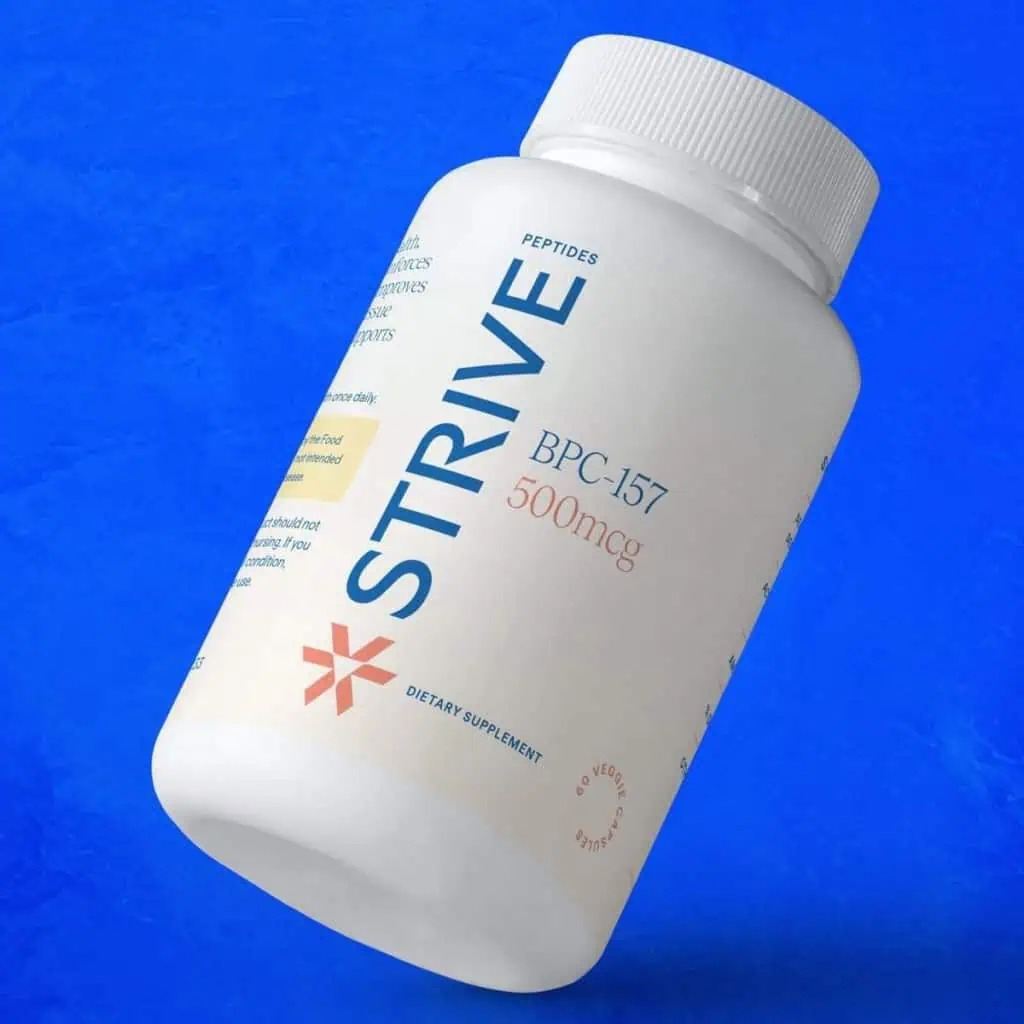
BPC-157, the “Body Protective Compound,” optimizes gut health, controls inflammation, reinforces numerous body systems, improves joint flexibility, promotes tissue and wound healing and supports cardiovascular health.
BPC-157 increases blood flow to damaged tissues potentially speeding recovery. Those who suffer from discomfort due to muscle sprains, tears and damage may benefit from this peptide. [1]
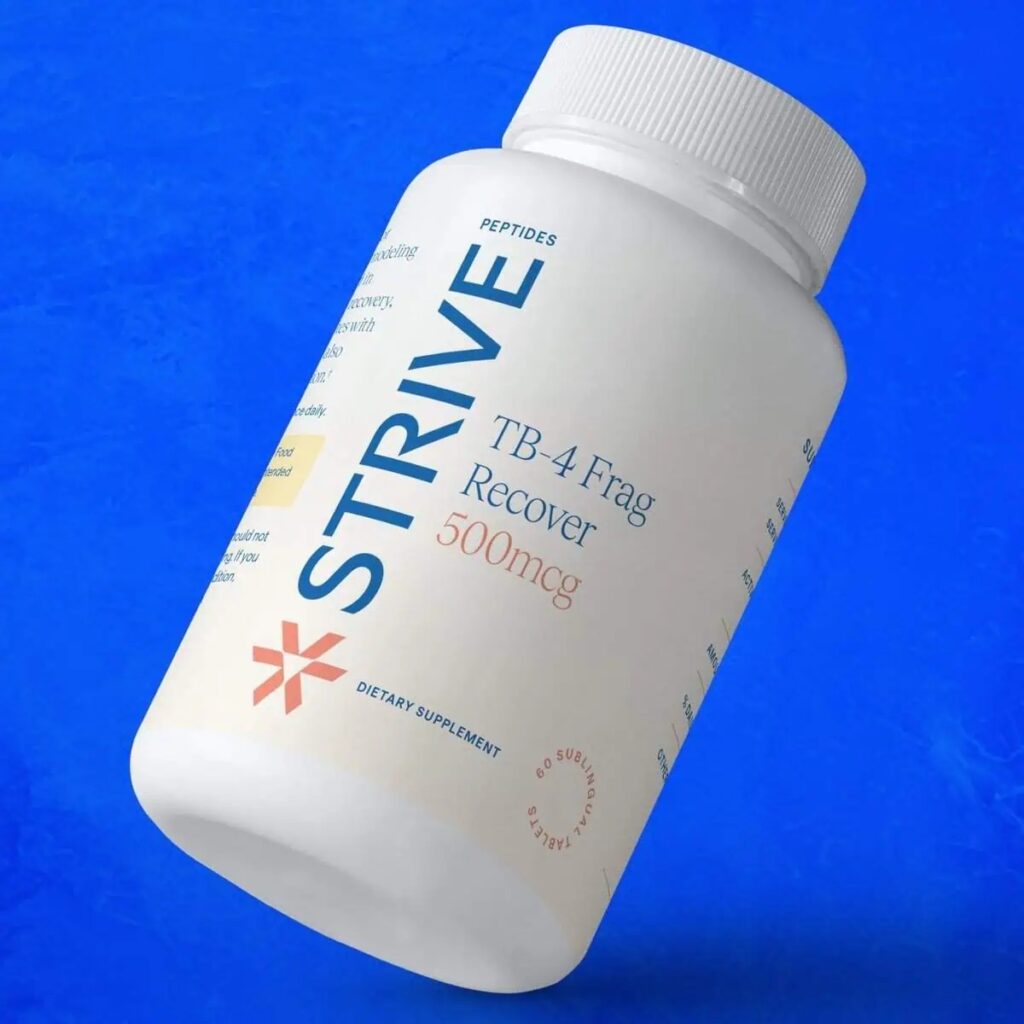
Thymosin Beta 4 (TB4) peptide, or TB-4 Frag is a shorter version of the 43 amino acid sequence. The fragmented sequence maintains all of the effects of the longer sequence version. Sometimes also known as “TB 500.”
TB-4 Frag is a shorter version of the 43 amino acid sequence. The fragmented sequence maintains all of the anti-inflammatory effects. The benefit of the fragment versus the longer chain is there is a more highly concentrated amount of inflammation reduction in TB-4 Frag.
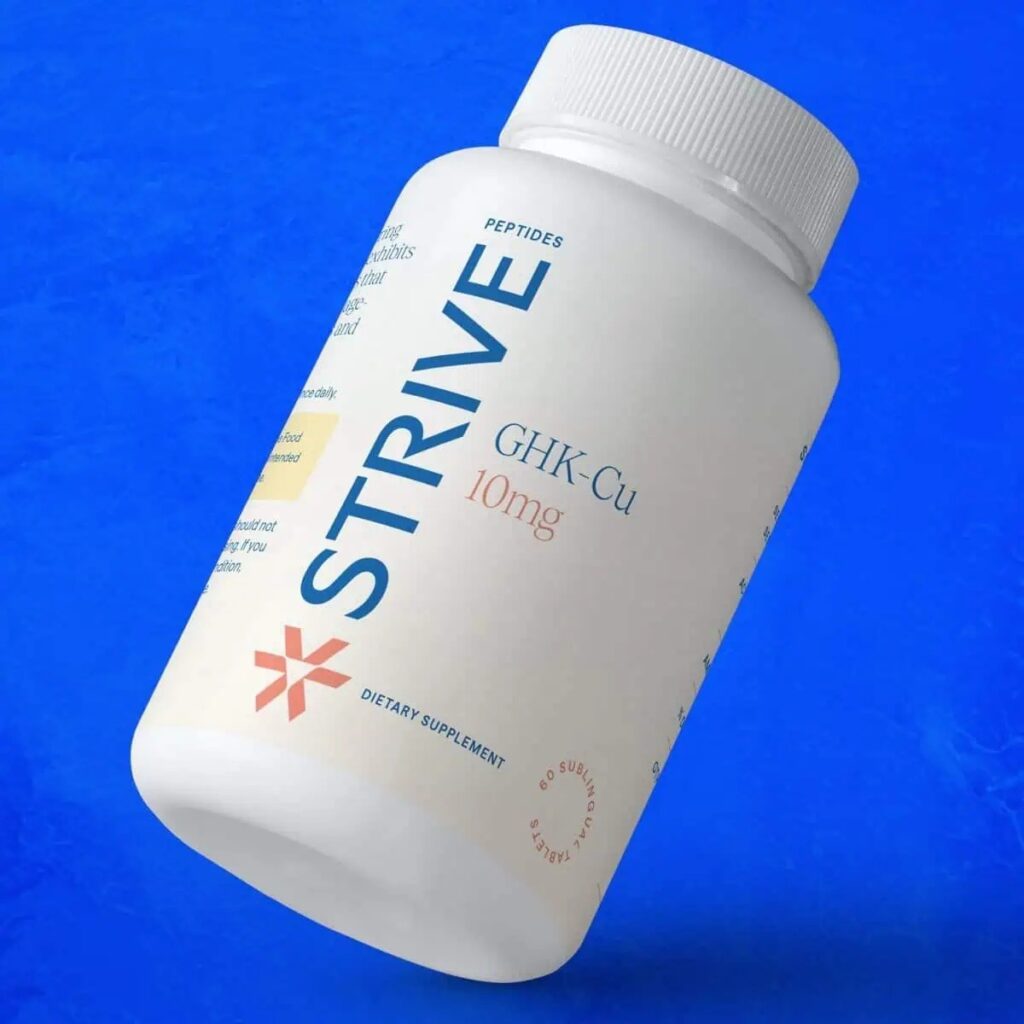
GHK-Cu, the Copper-binding peptide that is used as a protective and regenerative element. GHK-Cu has been shown to improve wound healing, stimulate collagen growth, boost the immune system, and promote growth of blood vessels. GHK-Cu has significant anti-aging effects as well as antioxidant and anti-inflammatory properties.
Harnessing the potent benefits of copper peptides, GHK-Cu tablets offer a natural solution to support the body’s natural collagen production, which enhances skin elasticity, and diminishes the appearance of fine lines and wrinkles. Elevate your skincare routine with GHK-Cu peptide tablets and unlock a radiant, age-defying complexion.
The following peer-reviewed studies support the information on this page. Link each citation to its URL for outbound authority signals.